
Dr. Adam Klein | Psychotherapist
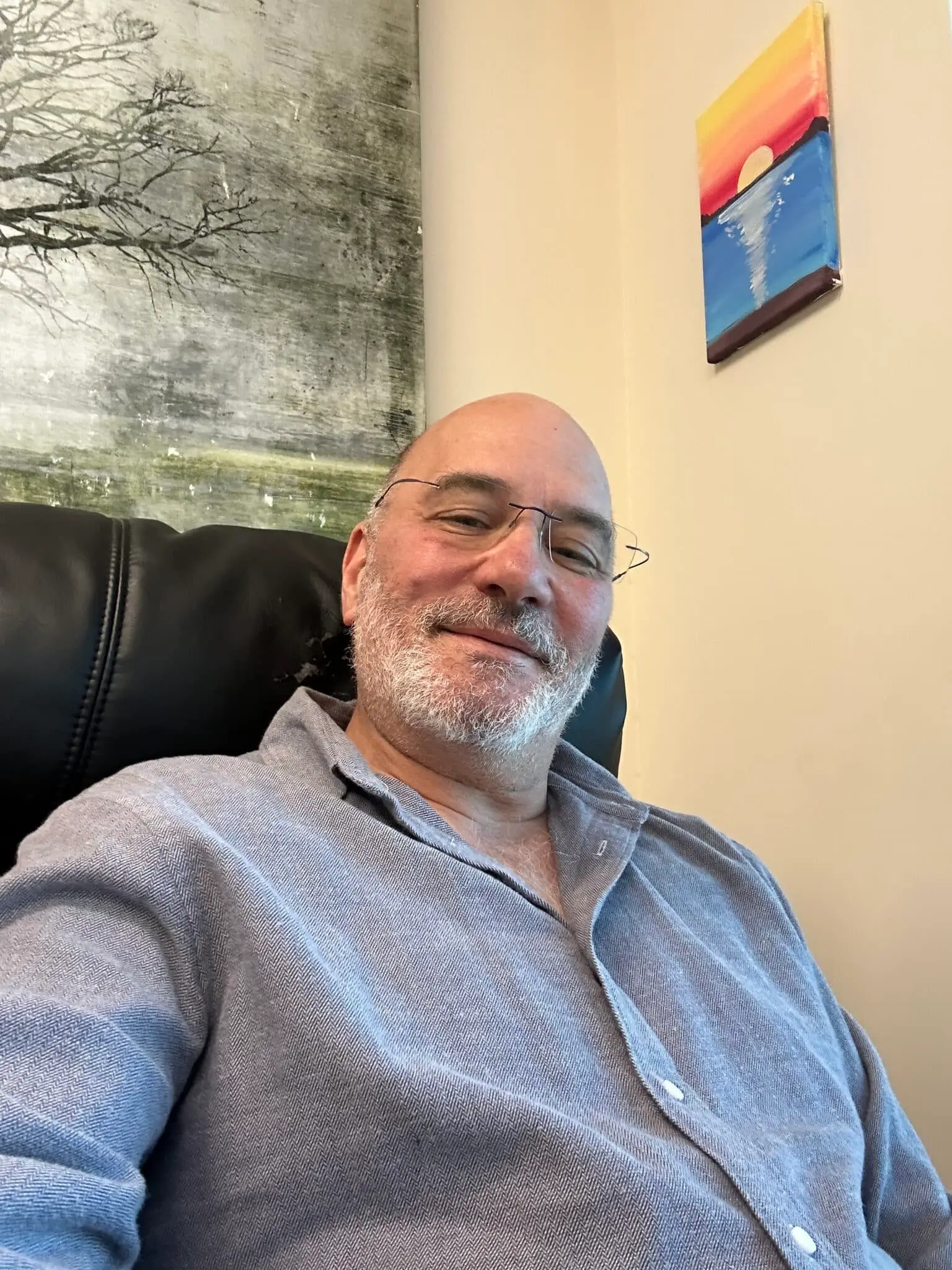
Meet Dr. Adam Klein
I am a psychotherapist who has been in clinical practice since 1998, working with individuals, couples, families, and therapists themselves, while leading long‑term process groups devoted to depth, character, and change.
My work is rooted in a family lineage of psychotherapy, decades of intensive group work, and a sustained commitment to the personal development of the therapist as central to the healing process.
Growing up in Maryland, I was close to my father’s work and the community around it. One day, I saw him help a friend of mine. I wasn’t aware of technique or theory, but I could feel the impact of his ability to sit with someone in the middle of chaos and help them find a way forward without force or panic.
While everyone else around the situation was pulling their hair out, he stayed present. And I understood, even then, that something shifts for people when they feel genuinely met. That experience shaped me long before I had words for it.
I opened my first practice in 1998 in North Carolina, and by 2000 returned to the community where I grew up, and where my father’s professional lineage lived. I’ve been in Maryland ever since.
My approach therapy is not as an expert standing above you. I work as a fellow traveler. I do my work in the room while you do yours. That stance matters to me as it keeps the work honest and keeps it alive.
A Glimpse Into My Clinical Practice
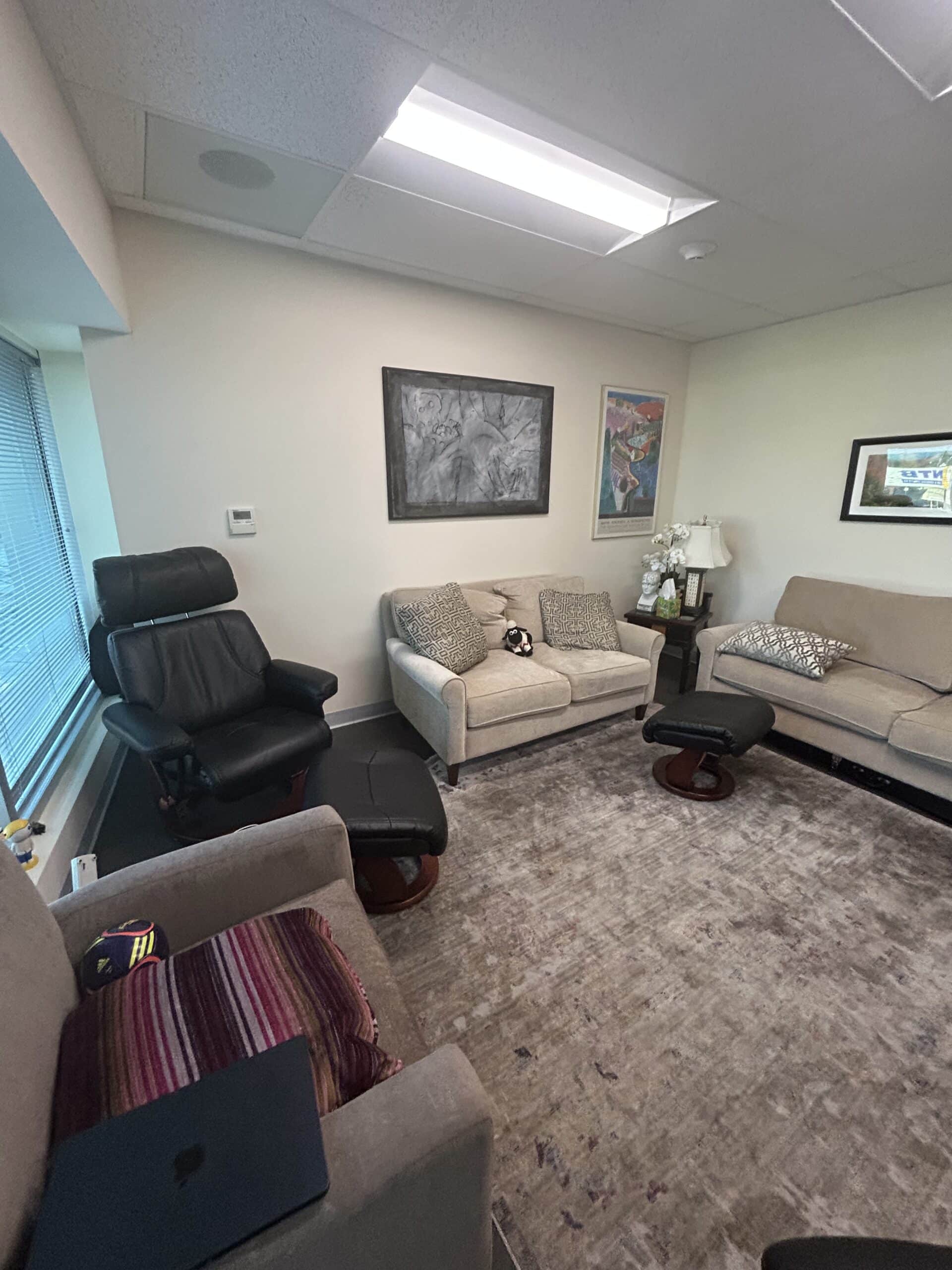
At the center of my practice is a simple commitment: to steward a boundaried, sacred space where people can step into moments of transition and grow into them rather than collapse under them. I’m interested in maturity, both emotional, relational, and personal. As well as in helping people learn how to hold more complexity in their lives without shutting down or acting out.
My clinical work draws from deep and significant training in group processing, family systems, and depth‑oriented psychotherapy. This work focuses less on symptom relief and more on understanding the underlying patterns, character structures, and unconscious forces that shape how people live and relate, with a strong emphasis on the personhood of the therapist.
I’ve spent decades in intensive process groups with other clinicians, doing the same work I ask my clients to do. I show up, stay present and allow myself to be changed by the process. That is what I invite you to do as well. It’s my belief that therapy can only go as deep as the therapist is willing to go themselves.
I work with people who are in real moments in their lives, navigating challenges like: marriages unraveling, identities shifting, anger spilling over, and addressing long‑standing patterns that refuse to stay hidden.
Most of the men and women I work with are competent, accomplished, and outwardly successful, yet privately they feel stuck in patterns that no longer serve them. They come to therapy not because something is mildly uncomfortable, but because something essential is asking to change.
Outside of the therapy room, I’m a husband, a father of three adult children, and someone who believes strongly in cultivating a full life. Music, movement, physical training, cooking, and creative exploration are part of how I stay alive to the work. Therapy isn’t separate from living. It’s woven into how I move through relationships, work, loss, growth, and the ordinary moments that shape who I am, and how I practice.
My Education & Professional Lineage
I completed my undergraduate studies at the University of Maryland. I completed my graduate clinical training in California through the California School of Professional Psychology now part of Alliant University. And I am a long‑standing member of the American Academy of Psychotherapists (AAP), an organization devoted to the development of the therapist as a person.
Through the Academy, I have participated in and led dozens of intensive process groups over the past two decades.
My professional lineage includes direct training, supervision, and personal work with senior figures in depth psychotherapy, family systems, and Gestalt traditions. I continue to engage in ongoing clinical consultation and personal work as part of my commitment to an ethical, thriving clinical practice.


How I Think About The Work
Therapy, to me, is not about making life easier, it’s about making it more honest. I aim to create a space that is safe enough to tell the truth and sturdy enough to tolerate discomfort. Growth requires both. I don’t rush silence. I don’t rush understanding or integration. I trust the process to unfold at its own pace.
Healing looks like learning how to take better care of yourself, especially in the presence of difficult people, hard realities, and unavoidable losses. It looks like knowing what you want, valuing your own perspective, and developing the capacity to stay present when things get complicated.
This work isn’t for everyone. It’s for people who are willing to engage, reflect, and stay in the room long enough for something real to happen. If that resonates, you’re in the right place.